
The Nature of Luck in Casino Games
Luck is often the most celebrated aspect of casino games. Many players believe that a stroke of good fortune can turn the tide in their favor, especially in games that rely heavily on chance, such as slots or roulette. The random number generators that power these games ensure that no two spins or hands are ever the same, leading to outcomes that can be strikingly unpredictable. This unpredictability fuels the belief that luck is the primary driver of wins or losses, making the casino atmosphere charged with excitement and anticipation, especially at no verification casinos where the thrill is amplified.
Moreover, the idea of luck plays a significant role in the psychology of gambling. People often share stories of their miraculous wins, reinforcing the notion that anyone can hit it big with a little bit of luck. This narrative not only attracts new players into the casino environment but also keeps seasoned gamblers returning, fueled by the hope that fortune may favor them again. Whether it’s a lucky charm, a specific time of day, or simply the right mindset, players continuously search for ways to tip the luck narrative in their favor.
However, it is essential to acknowledge that while luck has a powerful influence, it is ultimately unpredictable and uncontrollable. Players might experience winning streaks or severe losing spells, which can create a rollercoaster of emotions. This unpredictability highlights an important aspect of gambling psychology: the ability to gracefully accept losses and recognize that luck, while influential, does not guarantee success. In some cases, it can lead to impulsive betting and chasing losses, which can be detrimental to a player’s financial health.
The Importance of Skill in Strategic Games
In contrast to games of chance, skill-based games offer players the opportunity to influence the outcome through strategic decision-making. Poker, blackjack, and certain variations of video poker allow skilled players to maximize their chances of winning by utilizing tactics, strategies, and a deep understanding of the game mechanics. For example, a seasoned poker player knows how to read their opponents, assess probabilities, and effectively bluff, all of which can significantly impact the game’s outcome.
The influence of skill is particularly prominent in games such as blackjack, where players can employ strategies like card counting, betting systems, and knowledge of basic strategy to reduce the house edge. This ability to make informed decisions brings a sense of empowerment to players, allowing them to actively participate in their success rather than relying solely on the whims of fate. As a result, skilled players often have a more favorable long-term outlook in these games compared to novice players who might depend purely on luck.

Furthermore, skill-based games often foster a sense of community among players. Many casinos host tournaments and events that encourage skilled players to compete against one another. This not only enhances the social aspect of gambling but also cultivates a culture of learning and improvement. Players share strategies, discuss hands, and analyze outcomes, creating an environment where skill development is celebrated and rewarded. The camaraderie among players enhances their overall experience, making them more likely to return to the casino.
The Balance Between Luck and Skill
While it is crucial to recognize the distinct roles of luck and skill, it is equally important to understand their interplay in the broader context of gambling. Many games blend elements of both, creating a unique dynamic that can influence a player’s experience and success. For instance, in games like baccarat, while the outcome relies heavily on chance, the players’ decisions in managing their bets can still reflect an understanding of the game and its odds.
This balance can also be seen in various betting strategies that players employ. Whether utilizing progressive betting systems or bankroll management techniques, players can exercise a degree of skill in their approach to risk. This strategic element allows gamblers to leverage their understanding of probability and outcomes while accepting that luck remains a significant factor in the short run. The awareness that both elements exist can lead to a more well-rounded gambling experience.
Additionally, players who appreciate the interplay of luck and skill often develop a healthier gambling mindset. They learn to enjoy the process rather than solely focusing on the outcome, understanding that every game is a combination of chance and strategy. This mindset fosters patience and resilience, key attributes that can enhance long-term success in any gambling endeavor. Recognizing that luck can favor anyone in the short term while skill provides an edge in the long term enables players to engage with gambling more thoughtfully.
The Psychological Impact of Luck and Skill
The psychological aspects of luck and skill in gambling are profound and multifaceted. Players often experience varying emotional responses based on their perceived level of control over the outcome. When relying on luck, players may feel excitement and thrill, tempered by anxiety stemming from the inherent unpredictability of games of chance. Conversely, skill-based gameplay can breed confidence and satisfaction as players make informed decisions, leading to an enhanced sense of agency.
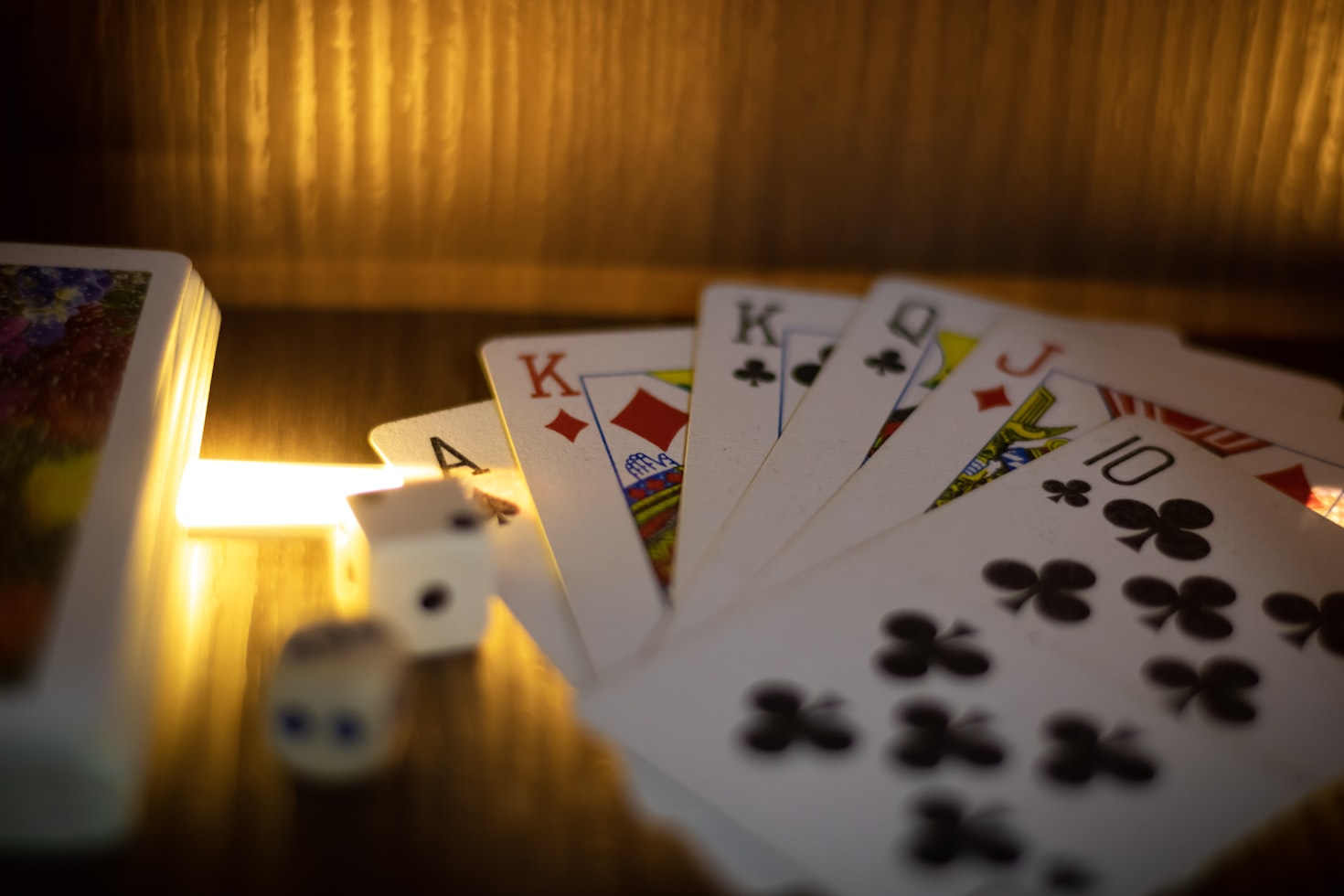
Moreover, the outcome of a game can heavily influence a player’s subsequent behavior and mindset. A big win rooted in luck might lead to overconfidence, resulting in reckless betting or unrealistic expectations in future sessions. On the other hand, consistent performance driven by skill can create a sense of accomplishment and encourage players to invest more time and resources into honing their expertise. This psychological cycle underscores the need for gamblers to maintain a balanced perspective on both luck and skill.
Furthermore, understanding the psychological implications of luck versus skill can also assist players in recognizing when to walk away. The emotional highs and lows of gambling can lead individuals down a precarious path if left unchecked. Cultivating awareness of how luck and skill impact one’s mindset can be a critical tool in managing gambling habits and ensuring a healthy relationship with gaming. It encourages responsible gambling practices and emphasizes the importance of enjoying the entertainment aspect of the casino experience.
Exploring the World of Casinos
Casinos represent not just a venue for gambling but a vibrant community where luck, skill, and social interaction come together. With various games to choose from, players can find environments that suit their preferences, whether they favor chance or strategy. Each casino provides a unique atmosphere, catering to a diverse range of gamblers and highlighting different aspects of gaming culture, from the glitz of the slots to the strategic tension of poker tables.
As players navigate this multifaceted landscape, numerous resources are available for learning about games, developing strategies, and understanding the psychological impact of gambling. Many casinos offer tutorials, workshops, and seminars to help players sharpen their skills while enjoying the social aspects of the game. This educational component enhances the overall experience, making it more accessible and engaging for newcomers and seasoned players alike.
In conclusion, the world of casinos is a grand intersection of luck and skill, with each playing a vital role in the gaming experience. Whether someone thrives on the thrill of chance or the strategy of skill, understanding their relationship can elevate the enjoyment of gambling. Embracing both elements allows players to engage responsibly, fostering an enriched connection to the casino environment while navigating their journey through luck and skill.